Buying guide
How to Polish & Condition Wood Furniture
The two honest wood jobs — dust-and-shine with polish versus conditioning dry, antique or water-marked grain — and when each applies.
Wood care splits into two honest jobs: quick dust-and-shine on finished pieces, and conditioning for dry, antique or water-marked wood. A polish spray maintains the finish; a conditioning oil feeds thirsty grain. This guide covers which job your piece needs and the one-pass technique for each.
The finished-piece daily: polish
On finished tables, cabinets and shelves, a utility spray polish dusts and shines in one pass — wipe, flip the cloth, buff. Use it anywhere the finish is intact and just needs to look clean.

Pledge
Pledge Lemon Furniture PolishAerosol furniture polish that dusts, shines and protects finished wood.
Check Current Price on AmazonTest first, ever on antiques
Test any polish on an inconspicuous area before a full pass — especially on aged or unmarked finishes.
The thirsty-piece treat: oil
On dry, un-finished or antique wood, conditioning oil feeds the grain. Apply sparingly with a soft cloth along the grain, let it soak, buff off excess. Use it rarely — over-oiling is a mistake too.
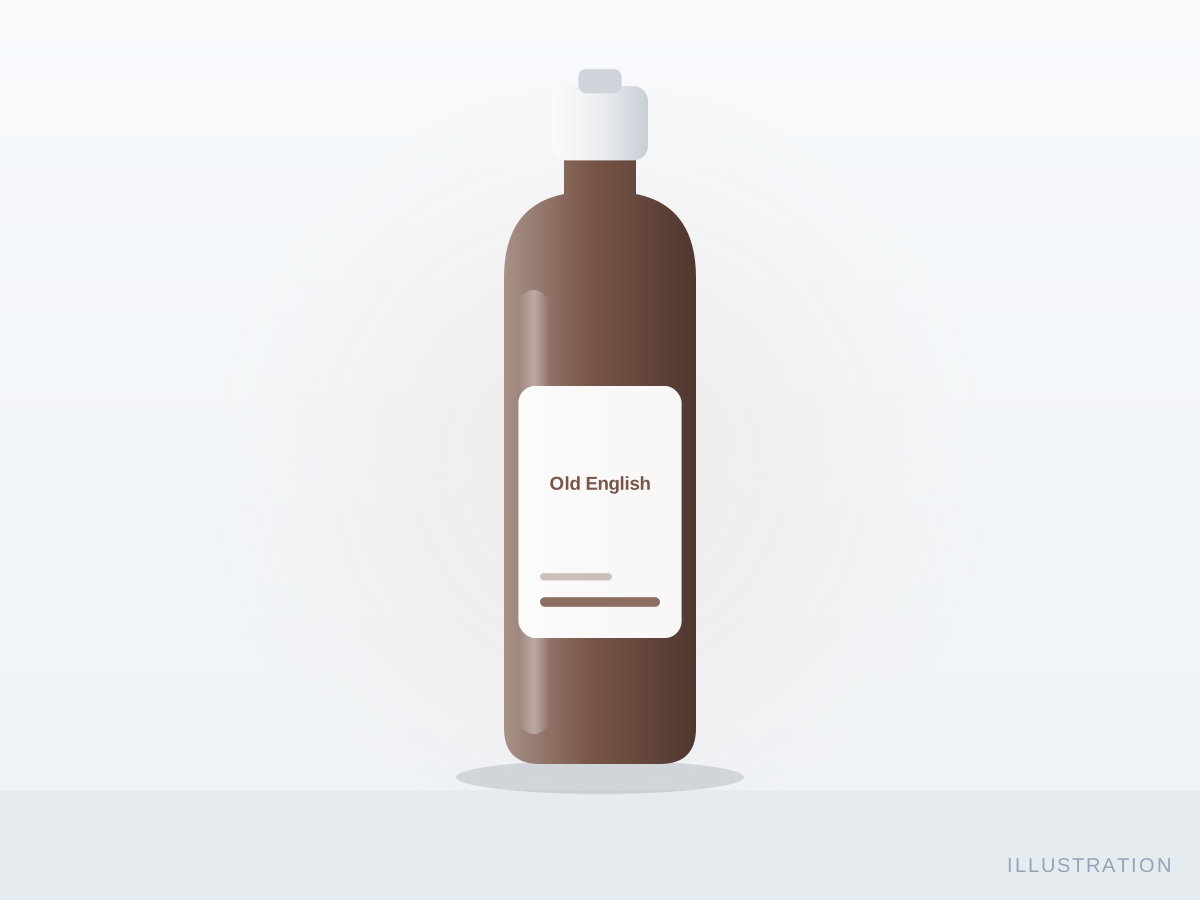
Old English
Old English Lemon Oil Furniture PolishLemon-oil polish that deepens colour and conditions thirsty wood.
Check Current Price on AmazonKnow which job you're doing
Polish maintains finished wood; oil conditions the thirsty piece. Many homes use the spray weekly and reach for the oil a few times a year. Match the product to the job and the grain report is good.
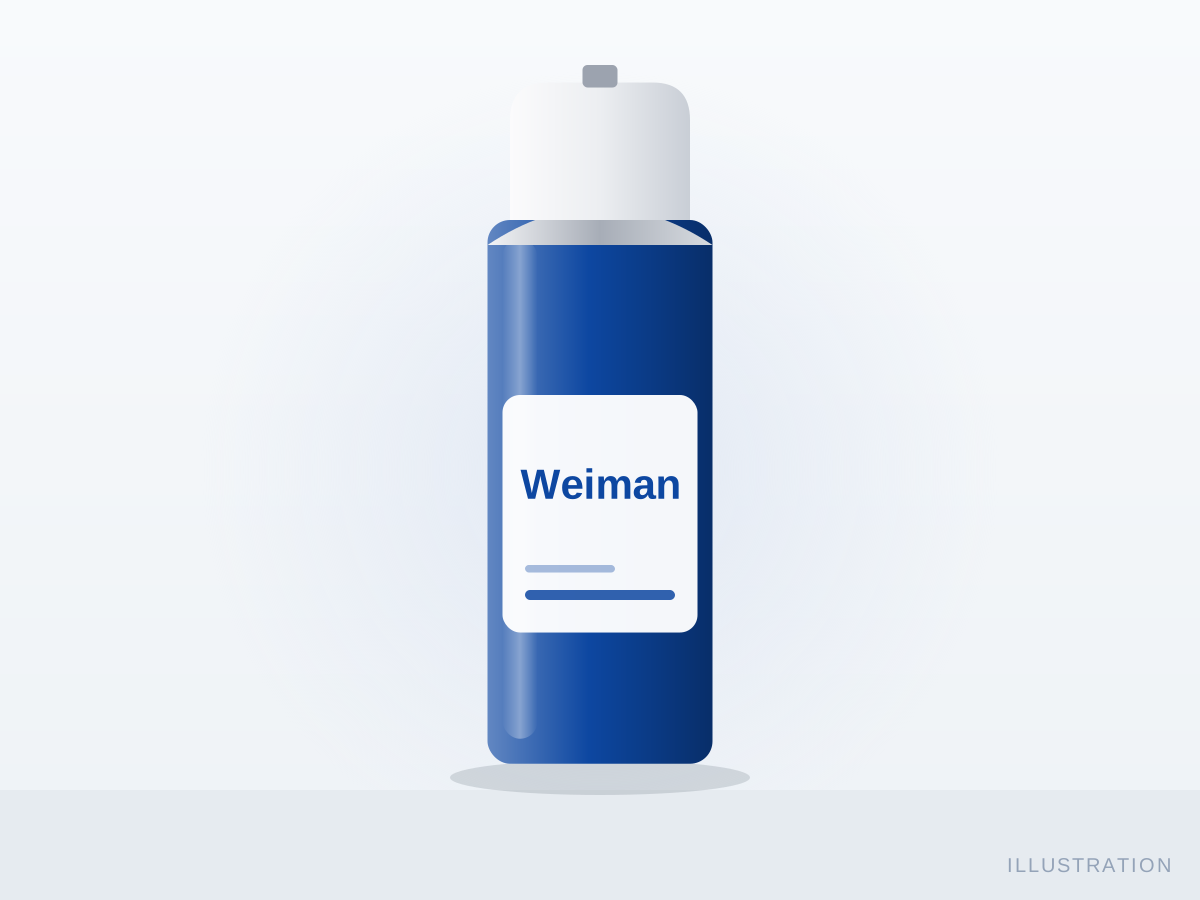
Weiman
Weiman Furniture Polish & Dust SprayPolish that cleans, shines and conditions wood surfaces in one spray.
Check Current Price on AmazonFrequently asked questions
Should I use oil or polish on my table?
Finished pieces want spray polish; oil is for dry, antique or unfinished wood that is thirsty — know your piece.
How often should I condition wood?
A few times a year, not every week — over-oiling leaves residue; the everyday shine is the polish's job.
Is wood polish safe on antiques?
Test on an inconspicuous area first — aged or unmarked finishes deserve extra caution.
Keep reading
As an Amazon Associate and member of other affiliate programs, CleaningProductsReviews.com earns from qualifying purchases. We never let commission affect our recommendations, and we never quote prices — display ads and sponsored slots are clearly labelled.