Old English · lemon oil furniture polish
Old English Lemon Oil Furniture Polish Review
Lemon-oil polish that deepens colour and conditions thirsty wood.
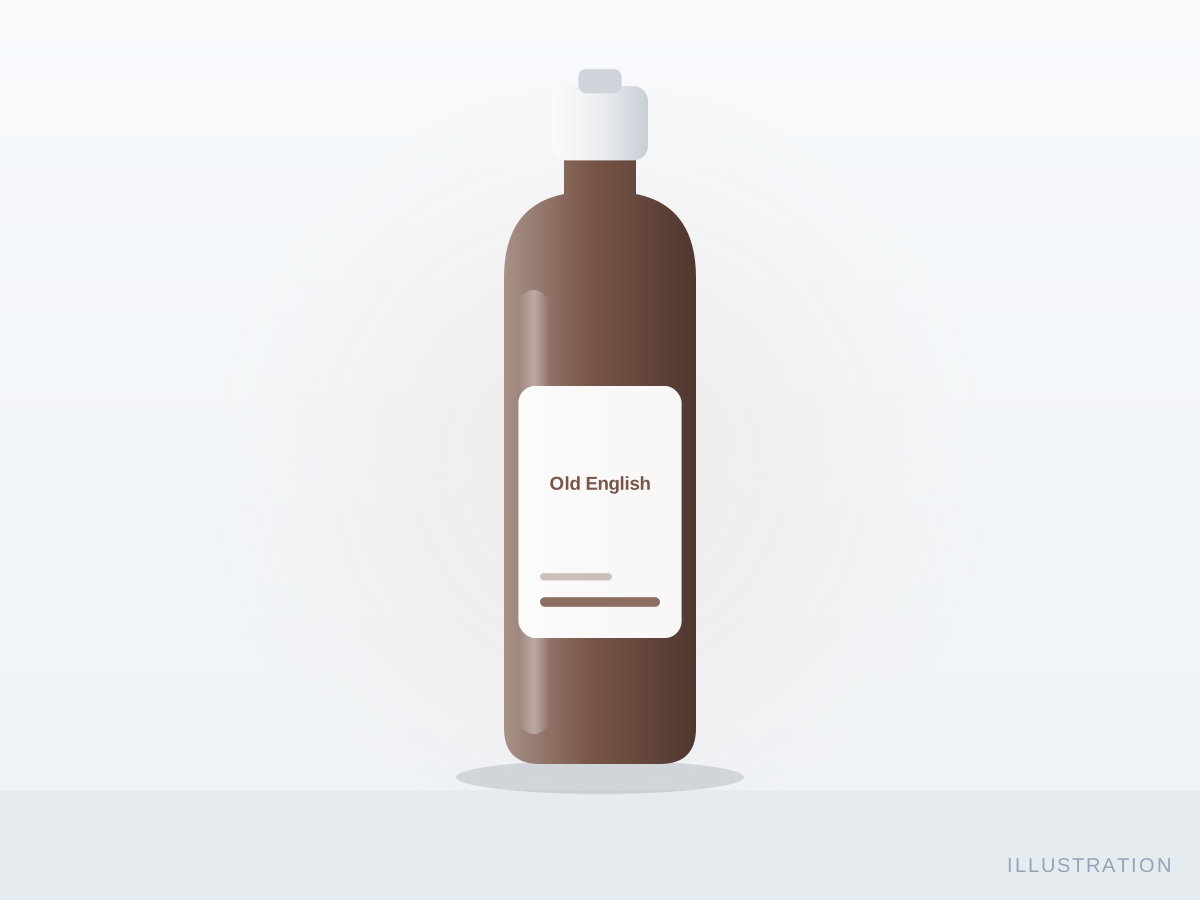
Old English Lemon Oil is the conditioning answer for wood that plain polish can't revive: a wipe-in lemon oil that feeds dry grain, deepens colour and restores lustre to water-marked and antique pieces.
This assessment is research-based from manufacturer information and owner feedback; our team has not lab-tested this product.
Owners of antique and heirloom furniture, dry or water-marked wood surfaces, and anyone who wants colour back rather than just surface shine.
Key features we assessed
- Lemon oil deepens colour and lustre
- Conditions dry, water-marked or antique wood
- Wipe-in formula feeds the grain
- Well-suited to antiques and legacy pieces
- Covers multiple existing surface needs
- Long-proven brand heritage
Strengths
The conditioning mechanic is real — oil penetrates and revives what a surface polish only glosses over.
A small bottle of oil lasts a long time, several pieces covered.
Weaknesses
Oil needs time to work in and smells of lemon for a while.
Not the right tool for paste-polish shine on already-sealed modern pieces.
Value
Cheap, slow-consuming and restores rather than masks — strong value for legacy wood.
Alternatives worth comparing

Pledge
Pledge Lemon Furniture PolishAerosol furniture polish that dusts, shines and protects finished wood.
Check Current Price on Amazon
Weiman
Weiman Furniture Polish & Dust SprayPolish that cleans, shines and conditions wood surfaces in one spray.
Check Current Price on Amazon
Bar Keepers Friend
Bar Keepers Friend CleanserPowdered oxalic cleanser with a devoted following for sinks and cooktops.
Check Current Price on AmazonThe bottom line
The conditioning classic for wood that looks tired — oil that feeds the grain and deepens colour where polish only glosses.
Frequently asked questions
Is lemon oil safe for antiques?
In owner practice yes — wipe-in application is gentler than aerosol surface polish; always test an inconspicuous area and dry excess.
How often should I oil?
Only when the wood looks dry or pale — over-oiling can saturate. A seasonally once, or when water marks show.
As an Amazon Associate and member of other affiliate programs, CleaningProductsReviews.com earns from qualifying purchases. We never let commission affect our recommendations, and we never quote prices — display ads and sponsored slots are clearly labelled.