Buying guide
Steam Mop vs Traditional Mop: Which Cleans Better?
Modern steam meets the bucket — the honest face-off for hard-floor sanitation.
Steam mops promise sanitation with less elbow grease; traditional mops promise low cost and full control of moisture. Time to put the honest comparison down in one place.
The honest facts
Steam mops hit high temperature and sanitise without chemicals; they suit sealed hard floors and tile. Traditional mops avoid heat risk, suit any floor you can sop, and cost almost nothing — but they re-wet, spread bacteria with a reused bucket, and dry slowly.
When steam wins
Sealed hard floors, chemical-free households, quick drying, and bathroom-tile sanitising all favour steam — the heat does the hygiene the mop bucket just smears.
When the mop wins
Unsealed wood (never steam it), delicate surfaces, and the need to move a cloth around baseboards favour the traditional mop. It's also the budget pick.
Steam on wood
Never steam unsealed or antique wood — heat and moisture swell the grain. The spin mop is the wood-safe half of this debate.
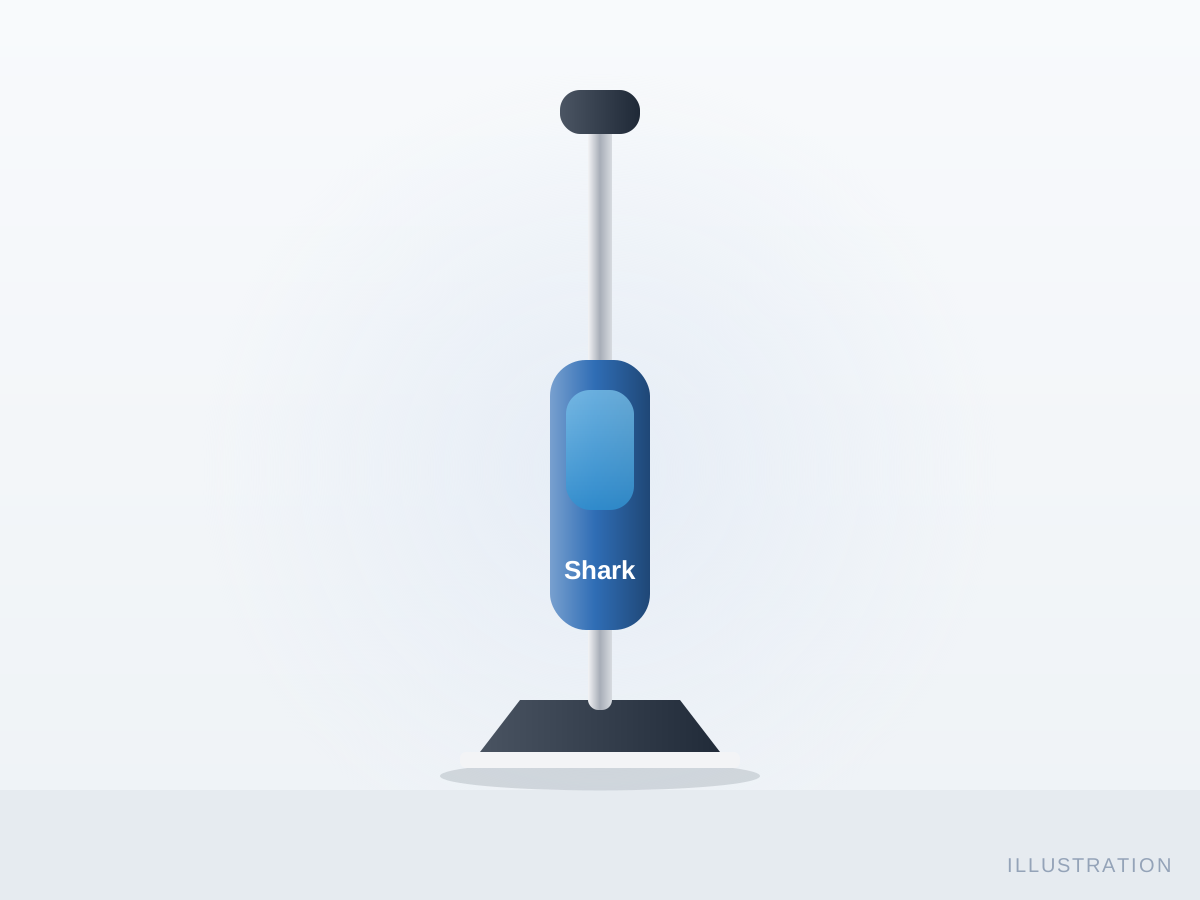
Shark
Shark S3 Steam PocketLightweight steam mop with a washable pocket for sanitising hard floors.
Check Current Price on Amazon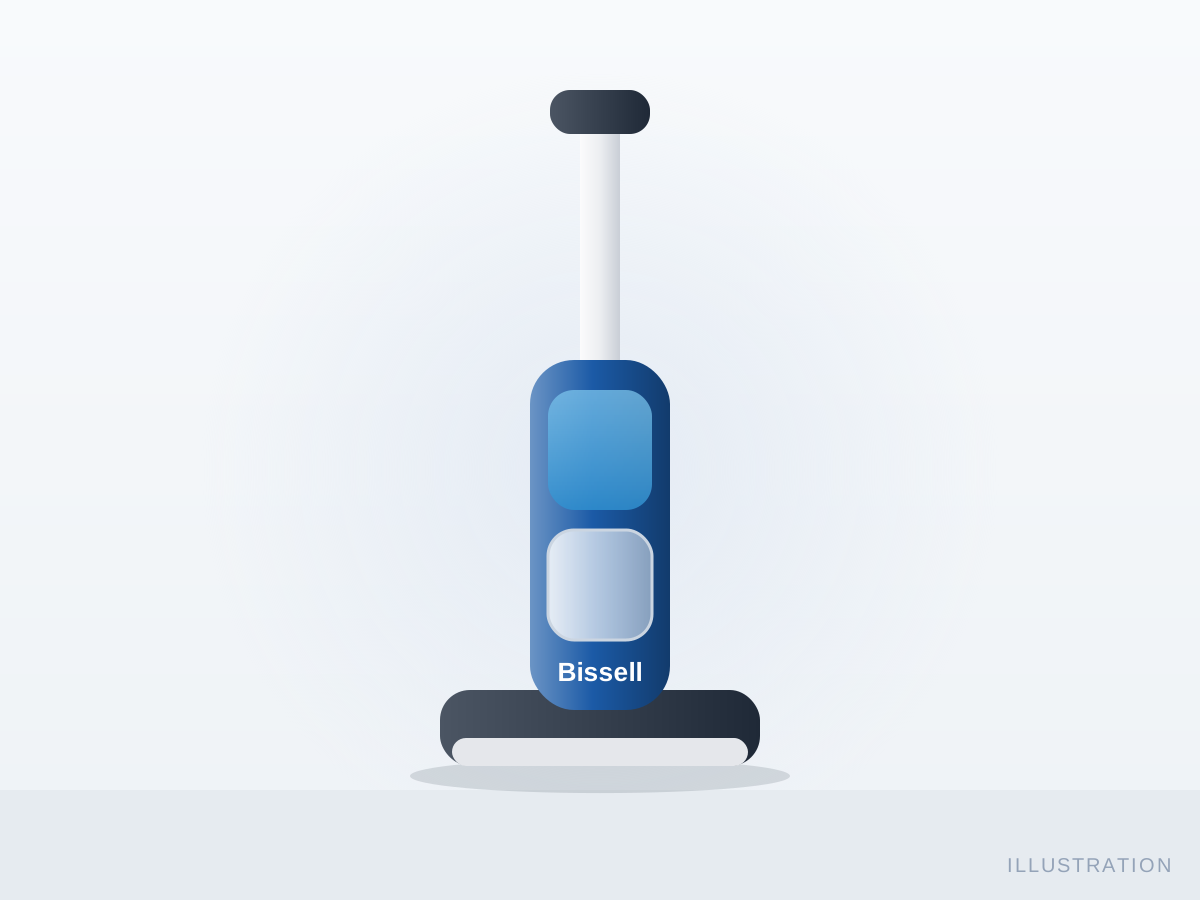
Bissell
Bissell SpinWaveDual spinning floor mop that scrubs hard floors clean with two cloth pads.
Check Current Price on AmazonFrequently asked questions
Is a steam mop better for my tile bathroom?
Yes — steam sanitises grout and tile without chemical residue.
Can I steam mop my hardwood?
No — stick to a spin or microfiber mop on wood. Steam is for sealed hard floors and tile.
Keep reading
As an Amazon Associate and member of other affiliate programs, CleaningProductsReviews.com earns from qualifying purchases. We never let commission affect our recommendations, and we never quote prices — display ads and sponsored slots are clearly labelled.